How Weather Conditions Affect Asphalt Cracks and Potholes
People seeking asphalt crack and pothole repair aim to restore pavement integrity, and local contractors can effectively address how weather conditions affect asphalt cracks and potholes.
Understanding how weather conditions affect asphalt cracks and potholes is essential for property owners looking to maintain safe and durable surfaces. Fluctuations in temperature, moisture levels, and seasonal changes can accelerate the deterioration of asphalt, leading to cracks and potholes that may pose safety hazards or cause further damage if left unaddressed. Property owners in the area who want to proactively protect their driveways, parking lots, or pathways will find that learning about these weather influences helps inform better maintenance decisions and timely repairs.
Local contractors specializing in asphalt repair are equipped to handle the challenges posed by weather-related wear and tear. They can assess the specific impacts of weather conditions on existing pavement and recommend appropriate solutions to prevent further damage. Whether it’s addressing cracks caused by freeze-thaw cycles or filling potholes resulting from heavy rain, these service providers offer practical expertise to keep asphalt surfaces in good condition. Keep reading to discover how understanding weather effects can help you maintain a safe, long-lasting paved area with the help of trusted local professionals.
- Asphalt crack repairs are often needed after temperature fluctuations cause expansion and contraction, with local contractors using specialized sealing techniques to prevent further damage.
- Pothole repairs become necessary when freeze-thaw cycles weaken asphalt surfaces, prompting service providers to fill and level affected areas promptly.
- Asphalt crack sealing is recommended in seasons with heavy rainfall, as water infiltration worsens existing cracks, and local pros employ weather-resistant sealants.
- Pothole patching is frequently requested following rapid temperature drops, with local contractors applying durable patches to restore smoothness and safety.
- Crack and pothole repair services are essential when fluctuating weather accelerates asphalt deterioration, with local pros assessing damage and providing tailored solutions.
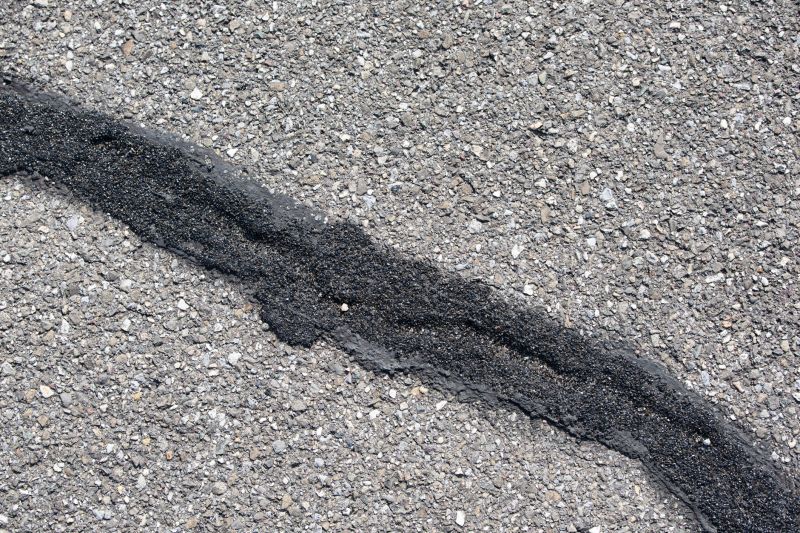
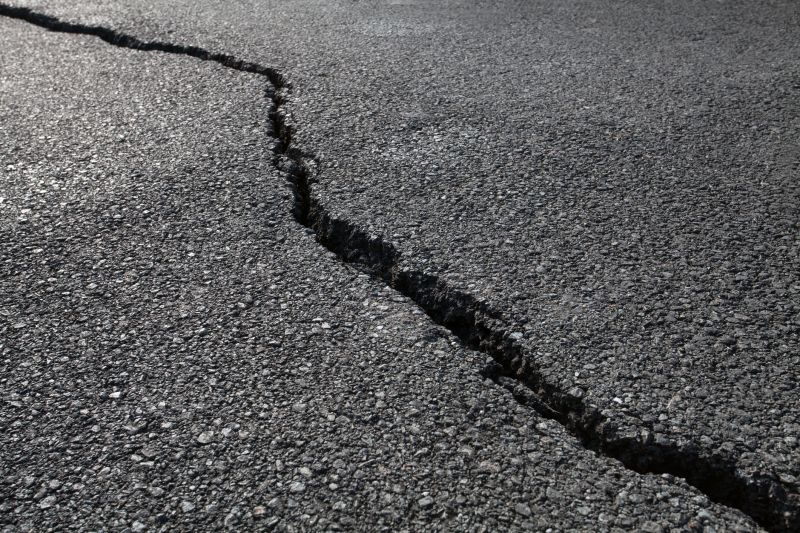
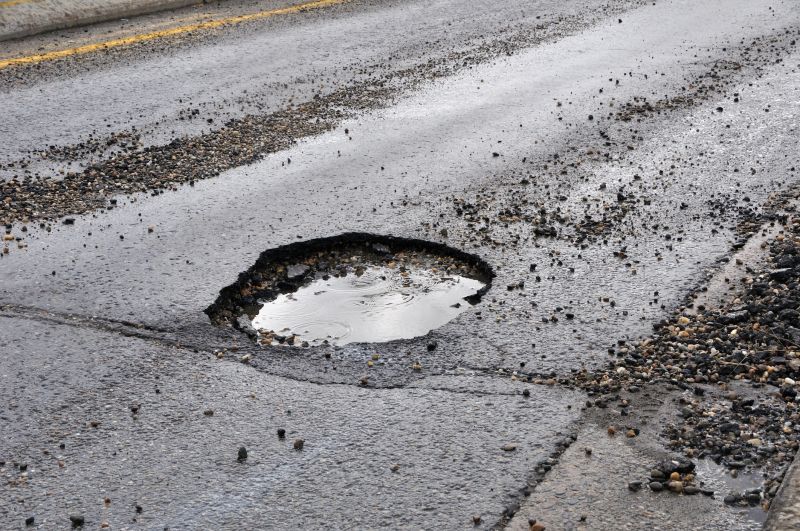
Understanding how weather conditions affect asphalt cracks and potholes is essential for homeowners who want to maintain a safe and smooth driveway or parking area. When searching this topic, many people are looking to learn why their asphalt surfaces develop damage over time and how changing weather patterns contribute to these issues. They often seek practical insights into how temperature fluctuations, moisture, and seasonal shifts can accelerate deterioration, leading to cracks, potholes, and other surface problems. Recognizing these weather-related influences helps homeowners plan repairs more effectively and understand the importance of timely maintenance to prevent further damage.
This topic relates closely to common property concerns such as driveway longevity, safety hazards, and the need for cost-effective repairs. Asphalt surfaces are particularly vulnerable to the impacts of weather, especially in regions with significant temperature swings or high moisture levels. Cracks can form as the ground shifts or as the asphalt expands and contracts with temperature changes, while water can seep into these openings, weakening the base and causing potholes to develop. Homeowners often consider repair plans to address these issues before they worsen, making it important to understand how weather conditions influence the timing and nature of repairs needed.
Properties that typically come up in discussions about weather-related asphalt damage include residential driveways, commercial parking lots, and community pathways. These surfaces are exposed daily to the elements, which can accelerate wear and tear. For example, in colder climates, freeze-thaw cycles cause asphalt to expand and contract, creating cracks that lead to potholes if left untreated. In warmer regions, prolonged heat can soften asphalt, making it more susceptible to deformation and surface deterioration. Local service providers who specialize in asphalt repair are equipped to assess how weather patterns have impacted a property and recommend appropriate solutions to restore surface integrity.
For homeowners, understanding how weather conditions affect asphalt cracks and potholes emphasizes the importance of proactive maintenance and choosing the right repair services. Local contractors experienced in asphalt repair can evaluate the specific weather-related challenges a property faces and provide tailored solutions. Whether it’s sealing cracks to prevent water infiltration or filling potholes caused by freeze-thaw cycles, these professionals play a key role in maintaining the safety and appearance of asphalt surfaces. Recognizing the connection between weather patterns and asphalt damage helps homeowners make informed decisions about when and how to address surface issues, ultimately extending the lifespan of their property’s paved areas.
Paving and Asphalt Maintenance Projects - these projects involve repairing and maintaining asphalt surfaces, requiring knowledge of how weather conditions impact asphalt integrity and repair techniques.
Driveway Resurfacing Services - driveway resurfacing requires understanding weather effects on asphalt durability and proper preparation, with local contractors skilled in weather-aware application methods.
Street and Parking Lot Repair - fixing cracks and potholes in streets and parking lots involves planning for weather-related challenges to ensure long-lasting repairs by local service providers.
Drainage and Water Management Projects - managing water flow and drainage systems helps prevent weather-induced damage to asphalt surfaces, with local pros experienced in weather-conscious installation.
Sealcoating and Surface Protection - applying sealcoats protects asphalt from weather-related deterioration, requiring expertise in timing and weather conditions for optimal results by local contractors.
Pavement Inspection and Assessment - assessing asphalt surfaces for weather-related damage allows for targeted repairs, with local experts skilled in evaluating how weather conditions influence asphalt health.
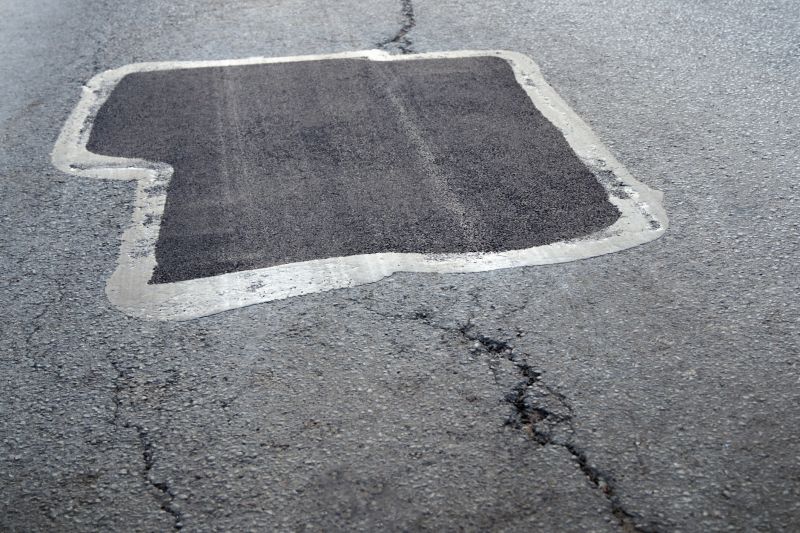
When evaluating asphalt repair service providers, it is important to consider their experience with projects similar to yours, especially those involving weather-related impacts on asphalt surfaces. Contractors who have handled repairs affected by temperature fluctuations, moisture, and seasonal changes are more likely to understand how weather conditions influence the development of cracks and potholes. An experienced service provider can better assess the unique challenges posed by your local climate and recommend appropriate repair techniques to ensure long-lasting results.
Clear written expectations are a crucial aspect of choosing a reputable contractor for asphalt crack and pothole repair. Service providers should be able to outline the scope of work, the materials to be used, and the methods they plan to employ to address weather-related damage. Having detailed, transparent information helps homeowners understand what to expect and ensures that the repair process aligns with the specific needs created by weather conditions, such as freeze-thaw cycles or heavy rain exposure.
Reputable references and good communication are also key factors when comparing local contractors. A reliable service provider can provide references from previous clients who faced similar weather-related issues and can attest to the quality of their work. Effective communication ensures that homeowners can ask questions, express concerns, and receive timely updates throughout the project. This transparency and responsiveness can make a significant difference in achieving satisfactory results when repairing asphalt affected by weather conditions.
Property owners often search for how weather conditions affect asphalt cracks and potholes when they are planning practical projects around their homes and businesses. Local pros provide Asphalt Cracks and Pothole Repair services for everyday jobs and straightforward project options.
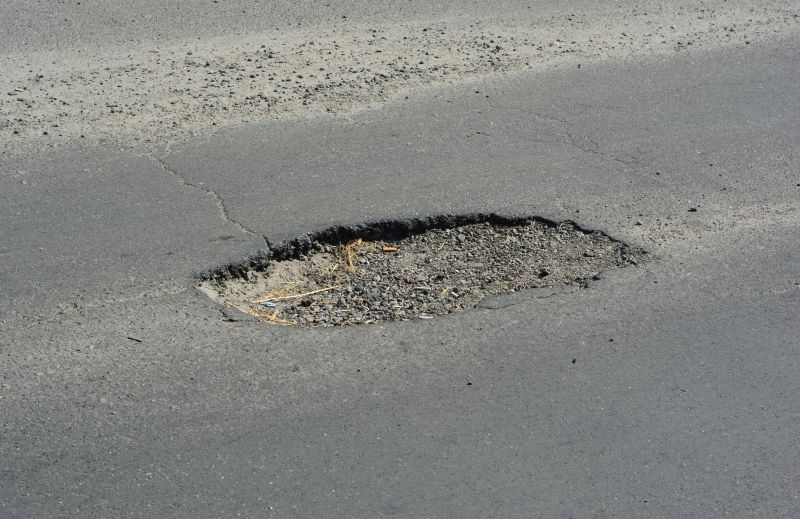
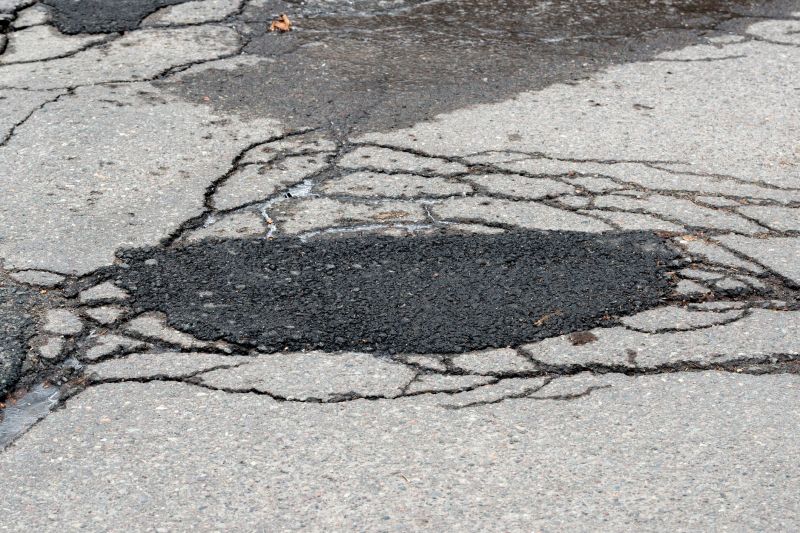
Understanding how weather conditions affect asphalt cracks and potholes is essential for property owners looking to maintain their driveways and parking areas. Fluctuations in temperature, especially freeze-thaw cycles, can cause asphalt to expand and contract, leading to the formation of cracks and eventually potholes. Heavy rainfall can also weaken the pavement’s surface, allowing water to seep in and further deteriorate the material. Recognizing these effects helps property owners identify early signs of damage and seek the assistance of local contractors who specialize in asphalt repair, ensuring issues are addressed before they worsen.
Property owners in the area often turn to local service providers for asphalt crack and pothole repair because these weather-related issues tend to appear seasonally or after extreme weather events. Timely repairs can prevent small cracks from expanding into larger problems, saving money and prolonging the lifespan of the pavement. Local pros have experience handling the unique challenges posed by weather conditions here, providing effective solutions that restore the integrity of asphalt surfaces. Connecting with these professionals can help property owners keep their asphalt in better condition despite the impacts of changing weather patterns.
How do temperature fluctuations impact asphalt cracks and potholes? Temperature changes cause asphalt to expand and contract, which can lead to the formation of cracks and the development of potholes. Local contractors can assess and repair damages caused by these fluctuations to prevent further deterioration.
In what ways does wet weather influence asphalt damage? Heavy rain and moisture can weaken asphalt surfaces, making cracks worse and increasing the likelihood of potholes forming. Service providers can perform repairs to address water-related damage and improve pavement durability.
Can snow and ice contribute to asphalt cracking and pothole formation? Yes, the freeze-thaw cycle from snow and ice causes water to seep into existing cracks, expanding when frozen and worsening the damage. Local pros can help with repairs that mitigate issues caused by winter weather.
How does hot weather affect asphalt surfaces? High temperatures can soften asphalt, making it more susceptible to deformation and cracking under traffic loads. Repair experts can reinforce and restore asphalt to withstand extreme heat conditions.
Why is it important to address weather-related asphalt damage promptly? Weather conditions accelerate the deterioration of asphalt, leading to larger cracks and potholes if not repaired quickly. Local contractors can provide timely repairs to maintain pavement integrity and safety.
Seasonal temperature changes - property owners can plan for asphalt repairs before extreme temperature shifts to prevent further cracking and pothole formation with help from local contractors.
Moisture and drainage - ensuring proper drainage can reduce water infiltration that worsens weather-related damage, with local pros providing effective sealing and repair solutions.
Freeze-thaw cycles - understanding how repeated freezing and thawing impact asphalt can guide timely repairs, which local service providers can perform to minimize damage.
Weather forecasting awareness - monitoring upcoming weather conditions helps property owners schedule maintenance projects efficiently with local pros to address weather-related asphalt issues.
If you are thinking about how weather conditions affect asphalt cracks and potholes for a property, this guide is meant to help you understand this topic, the typical project types, and how different options might fit your plans.
When you are ready, you can use the quote form on this page to share a few details about your project. From there, local pros can review the basics and follow up with options that match what you have in mind.