Optimal Timing for Blacktop Repairs
Determining the optimal time for blacktop repairs involves considering weather conditions and temperature. Ideal conditions include temperatures consistently above 50°F (10°C) with minimal precipitation, ensuring proper adhesion and curing of asphalt materials. Repairs during these periods tend to last longer and require fewer follow-up fixes.
Warm, dry weather promotes effective blacktop repairs by allowing asphalt to set properly without moisture interference.
Temperatures between 50°F and 85°F are most suitable for repair work, preventing cracking or improper bonding.
Late spring through early fall typically offers the best window for repairs, avoiding winter freeze-thaw cycles.
Dry conditions are essential; rain or high humidity can delay or compromise repair quality.
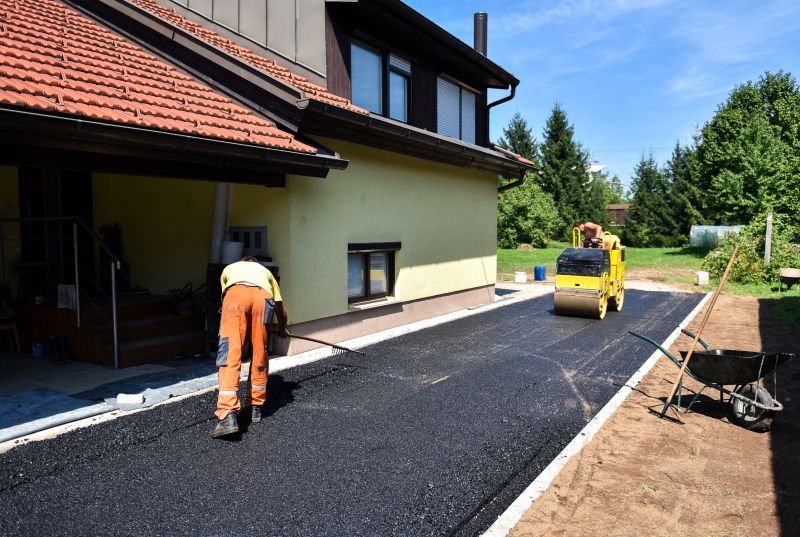
Ways to make Blacktop Repairs work in tight or awkward layouts.
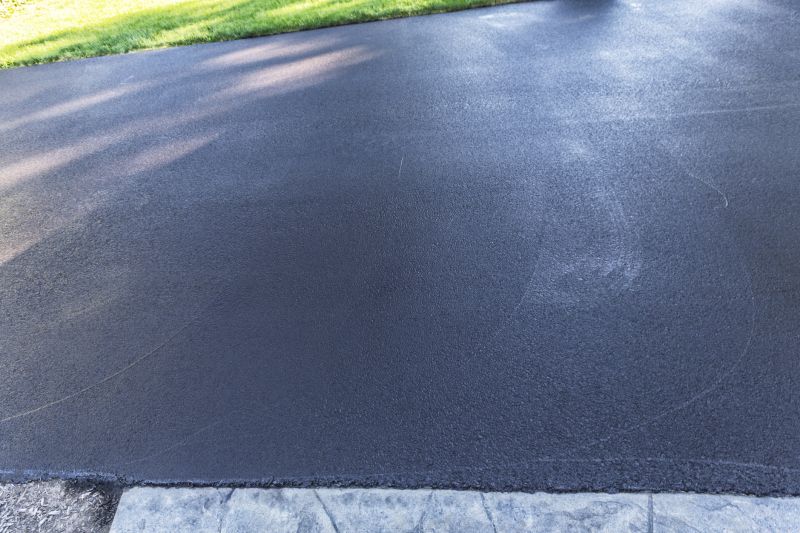
Popular materials for Blacktop Repairs and why they hold up over time.
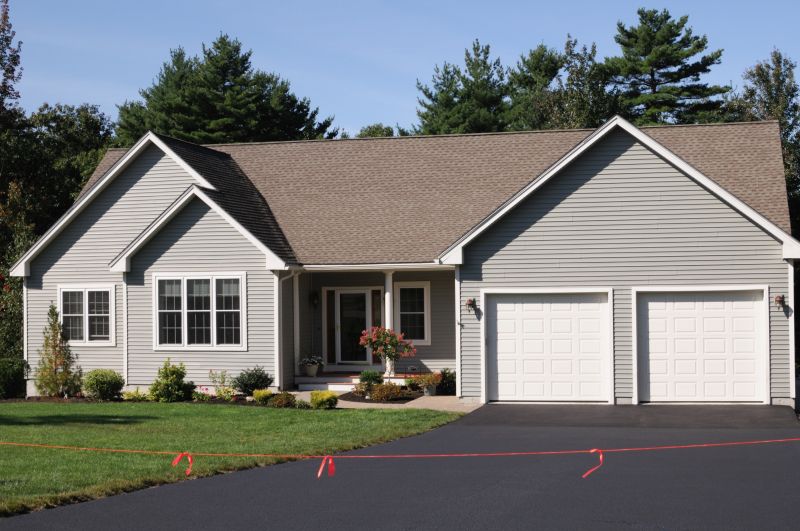
Simple add-ons that improve Blacktop Repairs without blowing the budget.
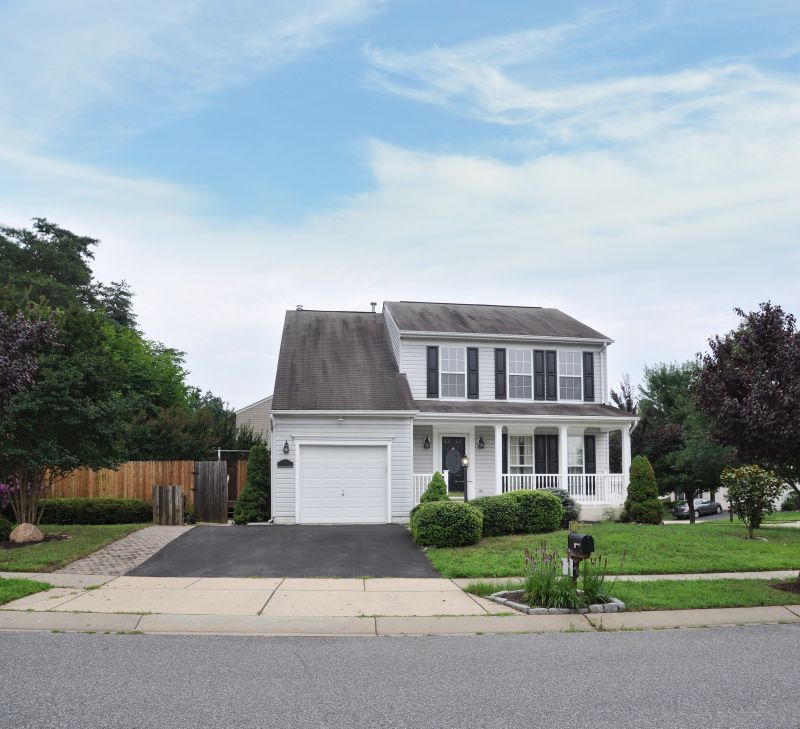
High-end options that actually feel worth it for Blacktop Repairs.
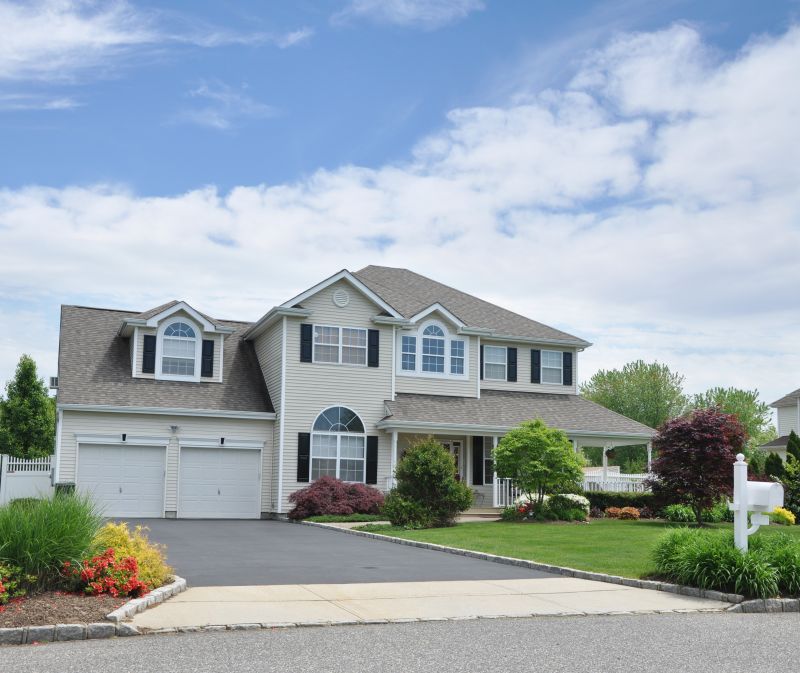
Finishes and colors that play nicely with Blacktop Repairs.
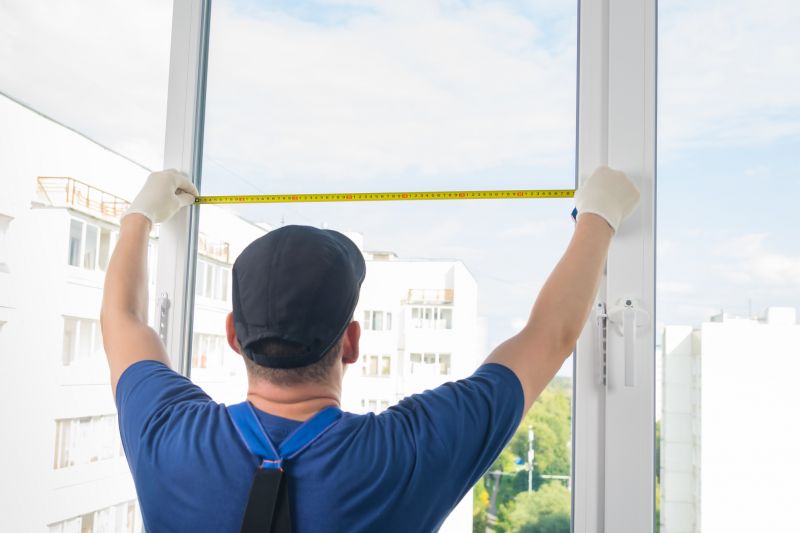
Little measurements that prevent headaches on Blacktop Repairs day.
| Season | Recommended Conditions |
|---|---|
| Spring | Warm temperatures, minimal rain, dry days |
| Summer | Consistent warm weather, low humidity |
| Autumn | Mild temperatures, dry conditions |
| Winter | Not recommended due to freezing temperatures and moisture |
Blacktop repairs are essential for maintaining the durability and appearance of paved surfaces. Proper timing ensures that asphalt can be properly compacted and cured, reducing the likelihood of future potholes or cracks. Asphalt is a versatile material that, when maintained correctly, can extend the lifespan of driveways, parking lots, and other paved areas. According to industry statistics, timely repairs can significantly reduce long-term maintenance costs and improve surface safety.
Effective blacktop repair involves cleaning the damaged area, applying appropriate patching materials, and ensuring proper compaction. The process requires careful planning around weather conditions to maximize adhesion and durability. Regular inspections and timely repairs can prevent small issues from developing into costly replacements.
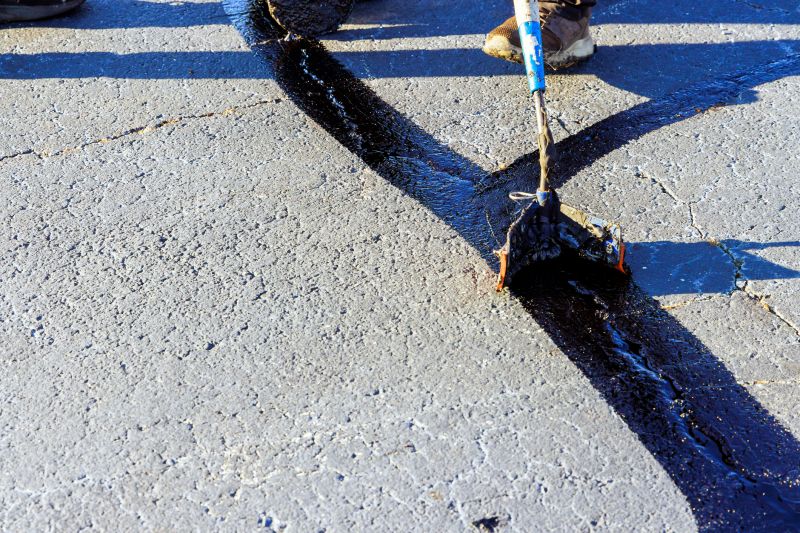
A 60-second routine that keeps Blacktop Repairs looking new.
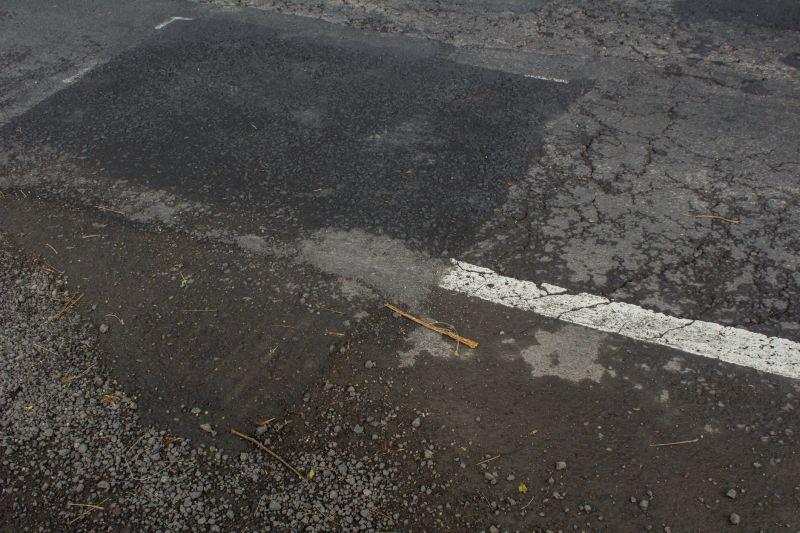
A frequent mistake in Blacktop Repairs and how to dodge it.
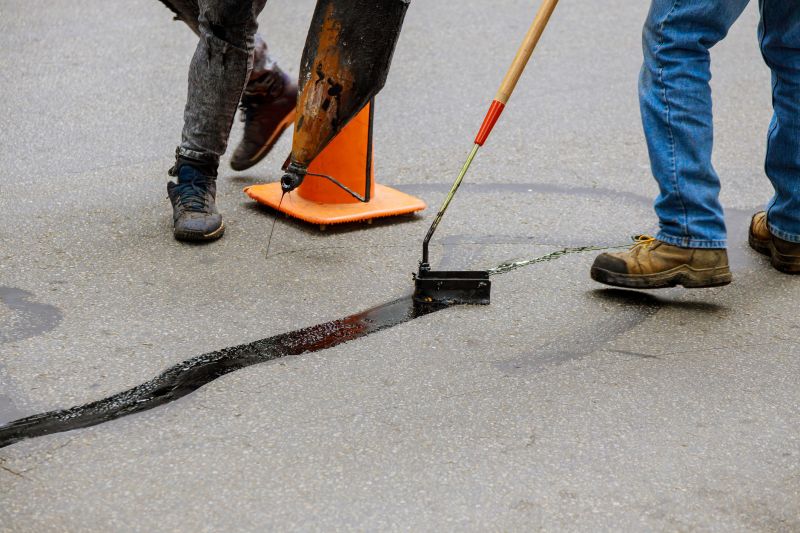
Small tweaks to make Blacktop Repairs safer and easier to use.
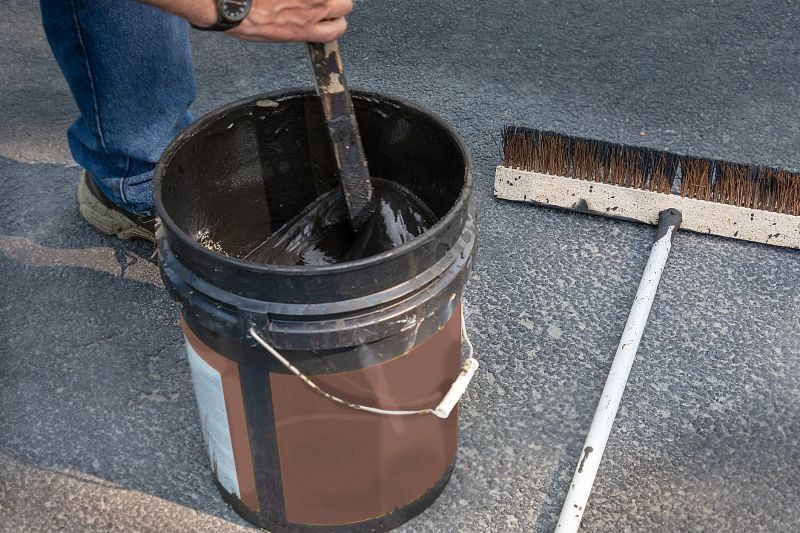
Lower-waste or water-saving choices for Blacktop Repairs.
Interested in scheduling blacktop repairs? Filling out the contact form can provide more information and help plan repairs during the optimal season for best results.